Safety, Stress, and Our Cells

How Calm May Repair What Stress Wears Down
It is easy to assume that when we talk about stress, it is something emotional, such as feeling overwhelmed, anxious, or stretched too thin. But stress doesn’t stay in our thoughts. It travels through our nervous system. It alters our hormones. It influences inflammation and even our DNA. What begins as emotional becomes a very physical situation.
Inside each of our cells are protective caps at the end of our chromosomes called telomeres. They are like the plastic tips on the ends of shoelaces. They protect our genetic material. Every time a cell divides, telomeres shorten slightly. Over time, telomeres naturally shorten. This is part of aging.
However, chronic stress accelerates this shortening process. In other words, chronic stress can accelerate cellular aging.
This is worth pausing on: chronic stress can accelerate cellular aging.
Research by Nobel Prize-winning scientist Elizabeth Blackburn and health psychologist Elissa Epel revealed that individuals experiencing chronic psychological stress had significantly shorter telomeres than those with lower stress levels. Shortened telomeres are a marker of cellular aging (Epel, 2004).
The good news is that we can learn to become aware of our body’s state and implement tools to change it. Our biology is responsive, and as awareness grows, so does our capacity to regulate and respond.
We can learn to identify and regulate our body’s states. With awareness , we can implement tools that support our health. First, let’s talk about safety.
According to Stephen Porges and polyvagal theory, our nervous system is constantly scanning for cues of safety or threat. When our system perceives threat, we shift into sympathetic activation which include the following:
• Increased heart rate
• Elevated cortisol
• Heightened vigilance
• Inflammation
If stress becomes chronic, this state can become our baseline. This activation signals to the body that we are not safe. The body moves into survival mode rather than repair mode. It is this survival mode that affects our cellular aging.
When we cultivate states of safety through steady breathing, connection, mindfulness, prayer, or meditation, we activate the ventral vagal system. The ventral vagal pathway supports the following:
• Calm engagement
• Emotional regulation
• Social connection
• Reduced stress hormone output
• Lower inflammation
This shift in physiology influences our cells.
We have access to tools that activate the ventral vagal pathway. It may be simpler than it seems, yet the impact reaches deep into our biology.
Meditation increases the activity of an enzyme called telomerase. This enzyme is responsible for maintaining and repairing telomeres. This does not require a month-long retreat. Research has shown that short, consistent mindfulness practices can positively influence the stress regulation system.
Meditation is not a single moment of calm; It is a practice of regulation. It slows the breath. It stabilizes heart rate variability. It reduces cortisol. It increases vagal tone. Increasing vagal tone shifts the body from a defensive mode to a repair mode; from threat to safety; from depletion to restoration.
When we use Rick Hanson’s technique of “taking in the good,” where we sit in a good moment for 10–20 seconds, we help install positive neural pathways in the brain. But it also does something very powerful. It anchors cues of safety. We are strengthening the ventral vagal pathways. We are calming the stress chemistry. We are sending signals of safety through the body. And our cells respond to those signals. They shift from biological wear toward restoration.
One of the contributors to chronic stress is not just what happens to us, but how quickly we react to it. We live in a culture of immediacy: immediate responses, immediate emails, immediate solutions. Our nervous system rarely gets a pause. Speed often reflects sympathetic activation, the part of our nervous system mobilized for action. Responding instantly to stressors can push us into a fight-or-flight response. The body becomes activated for defense. Slowing down, even briefly, can interrupt this process. Responding thoughtfully rather than reflexively can make a meaningful difference.
Slowing down is not passive. It is neurological regulation. Here are some practical ways to respond more slowly:
• Take one full breath before answering a difficult question
• Wait 30 seconds before sending an emotionally charged email
• Walk slowly from one meeting to the next
• Allow silence in conversation rather than filling it
Each pause interrupts the stress cycle. Each pause reduces the intensity of stress activation.
Even 10-20 minutes of consistent practice, or shorter daily moments of intentional regulation, can create change over time.
• A slow breath before opening your laptop
• A brief body scan before sleep
• Two minutes of stillness in your day
• Savoring one good moment for 20 seconds
Although these may sound inconsequential, they are biological interventions. They are cellular messages that say the following:
• You are safe
• You can rest
• You can repair
Chronic stress is associated with accelerated telomere shortening, a marker of cellular aging (Epel, 2004). Mindfulness and meditation practices have been associated with increased telomerase activity and improved stress regulation. Polyvagal theory explains how states of perceived safety shift the autonomic nervous system toward regulation and restoration (Porges, 2011). Safety is not indulgence; it is necessary for health and repair.
Start today by becoming aware of how your body feels. Is it in a heightened state of stress? Pause. Slow everything down. Allow your body to begin sensing that you are safe. Take a few deep breaths. Check back in. Has it softened? Begin today. Your body will respond.
For more ideas on this, check out the article on page 6 in this edition – Slow. Your. Roll. by Jacqui Schlund.
Works Cited:
Blackburn, E. H. (2000). Telomere states and cell fates. Nature, 408. Retrieved from Nature.
Epel, E. e. (2004). Accelerated telomere shortening in response to life stress. Proceedings of the National Academy of Science, 101 .
Watson Pfeifer, J. (2025, Dec). https://wholenesshealing.com/wholeness-healing-today/glimmers-of-light-nurturing-joy-during-the-holidays/. Retrieved from www.wholenesshealing.com: www.wholenesshealing.com
Tags: manage stress and decrease your bodys aging process, Stress and telemeres, Stress influences longevity, stress shortens telomeres
ABOUT THE AUTHOR
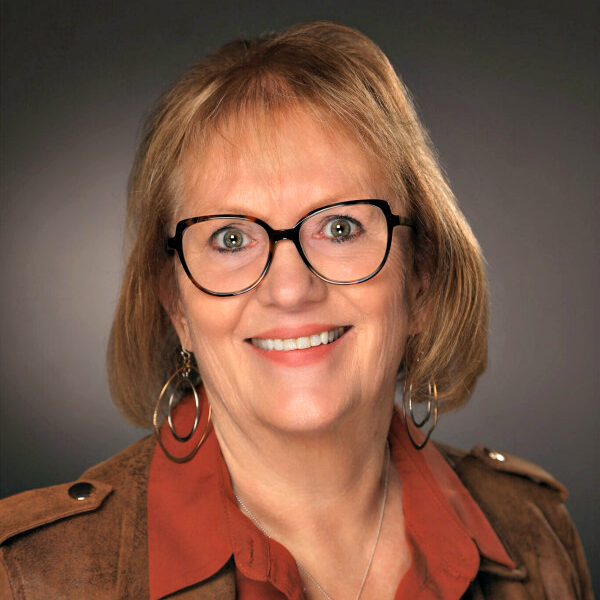
Janie Pfeifer Watson
Licensed Independent Clinical Social Worker
Licensed Independent Mental Health Practitioner- Janie Pfeifer Watson, LICSW, is the founder and director of Wholeness Healing Center, a mental health practice in Grand Island, Nebraska with remote sites in Broken Bow, Kearney, Ord and Albion. Her expertise encompasses a broad range of areas, including depression, anxiety, attachment, coaching, couples work, mindfulness, trauma, and grief. She views therapy as an opportunity to learn more about yourself as you step more into being your authentic self. From her perspective this is part of the spiritual journey; on this journey, she serves as a mirror for her clients as they get to know themselves—and, ultimately, to love themselves.
LATEST ARTICLES BY Janie Pfeifer Watson
Subscribe today
Sign up to receive the latest mental health tips and inspiration