The Hidden Cost of Being the Strong One

Most families, workplaces, and friend groups have a “strong one.” You probably know who that person is. They are the one who steps in during a crisis. They organize, solve problems, care for others, and somehow keep things moving when life gets difficult. They are dependable, capable, and often admired for their strength.
Perhaps that person is you.
Being the strong one is often viewed as a compliment. It reflects resilience, responsibility, and the ability to persevere through challenges. Yet there can be a hidden cost to carrying that role for too long. Over time, many strong people begin to believe they must always be strong.
They become the person others call when they need support, but rarely reach out when they need support themselves. They learn to put their own needs aside while attending to the needs of children, aging parents, spouses, coworkers, or friends. They become so accustomed to caring for others that they lose touch with their own exhaustion.
Sometimes, when they do reach out for support, it isn’t there in the way they hoped. Others assume they will be fine because they have always handled things before. They hear comments such as, “You’ve got this,” or “You’re so strong.” While these statements are often intended as encouragement, they can leave a person feeling unseen. In therapy, I often hear clients describe difficult circumstances while also sharing that everyone around them assumes they can handle it. Sometimes being viewed as the strong one means others don’t really hear what you need or even recognize that you have needs of your own. The challenge is that strength is not the absence of need.
Strong people get overwhelmed. They experience grief, disappointment, loneliness, fear, and uncertainty just like everyone else. Yet many feel guilty admitting it. They worry they will burden others or appear weak. They tell themselves, “I can handle it,” even when they are running on empty. Many never learned how to ask for what they need. The role of being the strong one became part of how others saw them and eventually part of how they saw themselves. Eventually, the cost begins to show. It may appear as chronic fatigue, irritability, anxiety, emotional numbness, difficulty sleeping, health concerns, or a growing sense of resentment. Some strong people begin to feel isolated because no one sees how much they are carrying. Others quietly wonder, “Who takes care of me?”
One of the greatest misconceptions about strength is that it means doing everything alone. In reality, healthy strength includes knowing when to ask for help. It means recognizing our limits and respecting them. It means allowing ourselves to receive support, not just give it. True resilience is not about never falling down; it is about staying connected to the resources, relationships, and practices that help us recover when life becomes difficult.
As therapists, we often hear clients say, “I don’t know why this is affecting me so much. I’m usually the strong one.” Our response is often the same: being strong does not make you immune to being human.
All people need places where they can set down their burdens for a while. They need relationships where they can be honest about their struggles without feeling responsible for everyone else’s emotions. They need permission to rest, grieve, ask for help, and simply be.
If you are the strong one in your family, workplace, or circle of friends, consider this your reminder:
You do not have to earn rest.
You do not have to carry every burden alone.
You do not have to wait until you are overwhelmed before reaching out for support.
The people who care about you would likely want for you the same compassion and understanding that you so freely offer to others. More importantly, you can begin offering that same compassion and understanding to yourself. Strength is a beautiful quality. Just remember that true strength includes allowing yourself to be cared for, too. If you tend to fall into this category, maybe take the time to consider this: what burden am I carrying today that I no longer need to carry alone?
Take a moment to sit quietly with that question. Perhaps it is a worry you have been carrying on your own. Maybe it is a caregiving responsibility that has become too heavy, a grief you have not shared, a difficult decision you have been trying to navigate alone, or simply the expectation that you must always be the one who holds everything together.
You do not have to solve it today. The goal is simply to notice what you are carrying and consider whether there is someone you trust with whom you can share the load. Sometimes healing begins not by becoming stronger, but by allowing yourself to be supported.
Asking for help is not a sign that you are failing. It may be one of the strongest things you ever do. Maybe it is time to put yourself on the priority list.
ABOUT THE AUTHOR
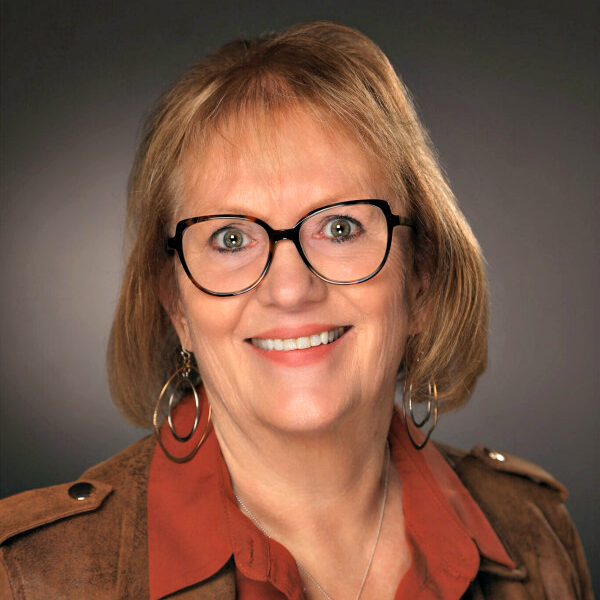
Janie Pfeifer Watson
Licensed Independent Clinical Social Worker
Licensed Independent Mental Health Practitioner- Janie Pfeifer Watson, LICSW, is the founder and director of Wholeness Healing Center, a mental health practice in Grand Island, Nebraska with remote sites in Broken Bow, Kearney, Ord and Albion. Her expertise encompasses a broad range of areas, including depression, anxiety, attachment, coaching, couples work, mindfulness, trauma, and grief. She views therapy as an opportunity to learn more about yourself as you step more into being your authentic self. From her perspective this is part of the spiritual journey; on this journey, she serves as a mirror for her clients as they get to know themselves—and, ultimately, to love themselves.
LATEST ARTICLES BY Janie Pfeifer Watson
Subscribe today
Sign up to receive the latest mental health tips and inspiration