Loneliness and Its Impact
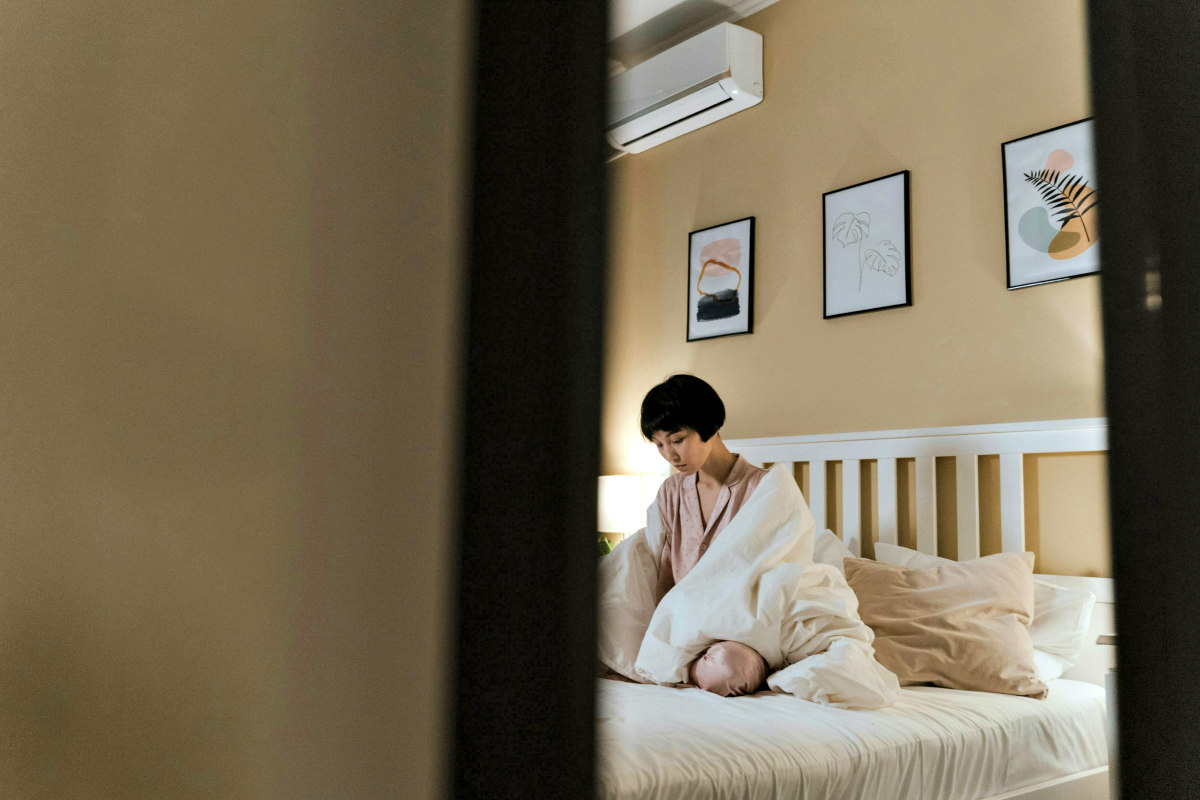
Loneliness. What was considered an emotional experience is now being publicized as a health crisis with consequences for physical, emotional, and cognitive well-being. The US Surgeon General has named loneliness and social disconnection as an epidemic, reporting that one in two Americans reports feeling lonely regularly. (Office of US Surgeon General, 2023) Approximately, 50% of the population feels lonely. That is not a small number.
We have been hearing about the epidemic of loneliness and its impact since the early 2000’s. What we may not realize is that the consequences of loneliness extend beyond emotions. Humans are wired for connectivity. From the time we are born, we rely on supportive relationships to build on throughout our development, from infancy to old age. These connections are the building blocks of brain development in the early years. Connections help us regulate stress, build resilience, and maintain health. When we don’t have these connections, the body goes into a threat response, with fight-or-flight behaviors. This can lead to a chronic stress response, resulting in increased cortisol, heightened inflammation, disrupted sleep, and impaired immune function. These are all responses to chronic stress. We are talking about feeling lonely.
Emotionally, we can understand that loneliness may cause anxiety and depression. In fact, loneliness is one of the strongest predictors of depressive symptoms, social anxiety, emotional dysregulation, rumination, and negative self-appraisal. Loneliness both causes and worsens mental illness.
The office of US Surgeon General also reported that physically, loneliness is associated with cardiovascular disease, with a 29% increased risk of heart disease and a 32% increased risk of stroke. Loneliness and social isolation increase the risk of early death at rates that are equivalent to smoking 15 cigarettes a day. This is greater than the risks associated with obesity, physical inactivity, or excessive alcohol use. So, loneliness is more than a “sad” situation. It is medically dangerous. The body interprets isolation as a survival threat, thereby reducing the antibody response and making the person more susceptible to illness, slower to heal, and more likely to develop chronic conditions.
Also reported was that loneliness is strongly linked to sleep disturbances, which then worsen mental and physical health, creating a feedback loop.
The US Surgeon General stated that older adults with chronic loneliness have a 40% increased risk of developing dementia, faster cognitive decline, and a higher incidence of memory problems. Chronic disconnection literally changes the brain.
Surprisingly, the office of US Surgeon General report states that the loneliness epidemic hits across the lifespan, with young adults (18-25) reporting the highest rates. Others who are at high risk include new mothers, caregivers, midlife adults caring for aging parents, older adults, and individuals experiencing chronic illness, disability, or mobility limitations.
The COVID crisis wasn’t the start of this issue. It started back in the early 2000s. COVID threw fuel on the issue, exacerbating the already burning fire. The pandemic intensified disconnection and removed daily structures and interactions (workplaces, schools, routines). It forced physical distancing and magnified the lack of relational infrastructure that many people were living with. COVID was the moment when the background loneliness became painfully visible.
Young adults were hit especially hard, with individuals in that early adulthood (18-25 years) reporting the highest loneliness levels of any age group. Many never developed normal social rhythms because schools and colleges were disrupted, and social skills deteriorated for some, leading to lower confidence levels. The rates of anxiety and depression spiked.
Older adults became more isolated, too, with disrupted routines, limited medical access, increased fear of illness, and reduced family contact. This all heightened isolation.
This article focuses on making the issue more visible, so it is less minimized. Just naming the problem can be therapeutic. Helping others strengthen social connections is as essential as addressing diet, exercise, and sleep. Some key interventions include encouraging one meaningful connection per day, assisting people in engaging in purpose-driven activity, integrating community or faith-based support, and mind-body practices that regulate the nervous system. Perhaps, if you have a choice, you take some “in-person” classes or work “in-person” one day a week, even though you can do all remote. Make choices that get you out with people.
Laurie Marbase, MD, has one tiny action that helps in this area. She suggests making one 10-15-minute “listening-first” phone call. Call someone you care about and ask a gentle question. Let them talk and reflect on what you hear. Studies using this exact approach, brief empathy-focused check-ins, show steady drops in loneliness, anxiety, and low mood within a few weeks. (Marbas L. n.d.)
You can also use Rick Hanson’s suggestion of holding a warm experience for 10-20 seconds to help wire the brain for connection and safety. We have written several articles about this exercise. Check out the following links in some of our previous newsletters of Wholeness Healing Today. https://wholenesshealing.com/wholeness-healing-today/glimmers-of-light-nurturing-joy-during-the-holidays/
http://wholenesshealing.com/wholeness-healing-today/taking-in-the-good/ (Watson Pfeifer, 2024)
This is all to say, use small relational moments with eye contact, gratitude, and shared laughter to impact your health. Set up some structured activities to make sure you get out and about with people. If you find yourself lonely, take some steps to improve your situation. It will impact you emotionally, physically, and mentally.
Works Cited
Marbas, L. (n.d.). The two tiny actions that quiet stress fast. Retrieved from Substack: https://lauiemarbas.substack.com
Office of US Surgeon General. (2023). Our epidemic of loneliness and isolation .
Watson Pfeifer, J. (2024, Oct) https://wholenesshealing.com/wholeness-healing-today/taking-in-the-good/ Retrieved from www.wholenesshealing.com: www.wholenesshealing.com
Watson Pfeifer, J. (2025, Dec). https://wholenesshealing.com/wholeness-healing- today/glimmers-of-light-nurturing-joy-during-the-holidays/ . Retrieved fromwww.wholenesshealing.com : www.wholenesshealing.com
Tags: lonliness impacts physical and emotional systems, overall effects of lonliness, the stress response to lonlinessABOUT THE AUTHOR
Janie Pfeifer Watson
Licensed Independent Clinical Social Worker
Licensed Independent Mental Health Practitioner- Janie Pfeifer Watson, LICSW, is the founder and director of Wholeness Healing Center, a mental health practice in Grand Island, Nebraska with remote sites in Broken Bow and Kearney. Her expertise encompasses a broad range of areas, including depression, anxiety, attachment and bonding, coaching, couples work, mindfulness, trauma, and grief. She views therapy as an opportunity to learn more about yourself as you step more into being your authentic self. From her perspective this is part of the spiritual journey; on this journey, she serves as a mirror for her clients as they get to know themselves—and, ultimately, to love themselves.
LATEST ARTICLES BY Janie Pfeifer Watson
- Gentle and Grounded – A Mindful Reset for 2026
- Glimmers of Light – Nurturing Joy During the Holidays
- Live Stronger: Strength, Balance, and Social Connection after 50 Stay strong. Stay Connected. Stay independent.
- Healing is a Lifelong Journey, and It Doesn’t Happen in a Straight Line
- Habits to Develop to Age Well
Subscribe today
Sign up to receive the latest mental health tips and inspiration