Epigenetics: How Your Experiences Can Shape Your Mental Health
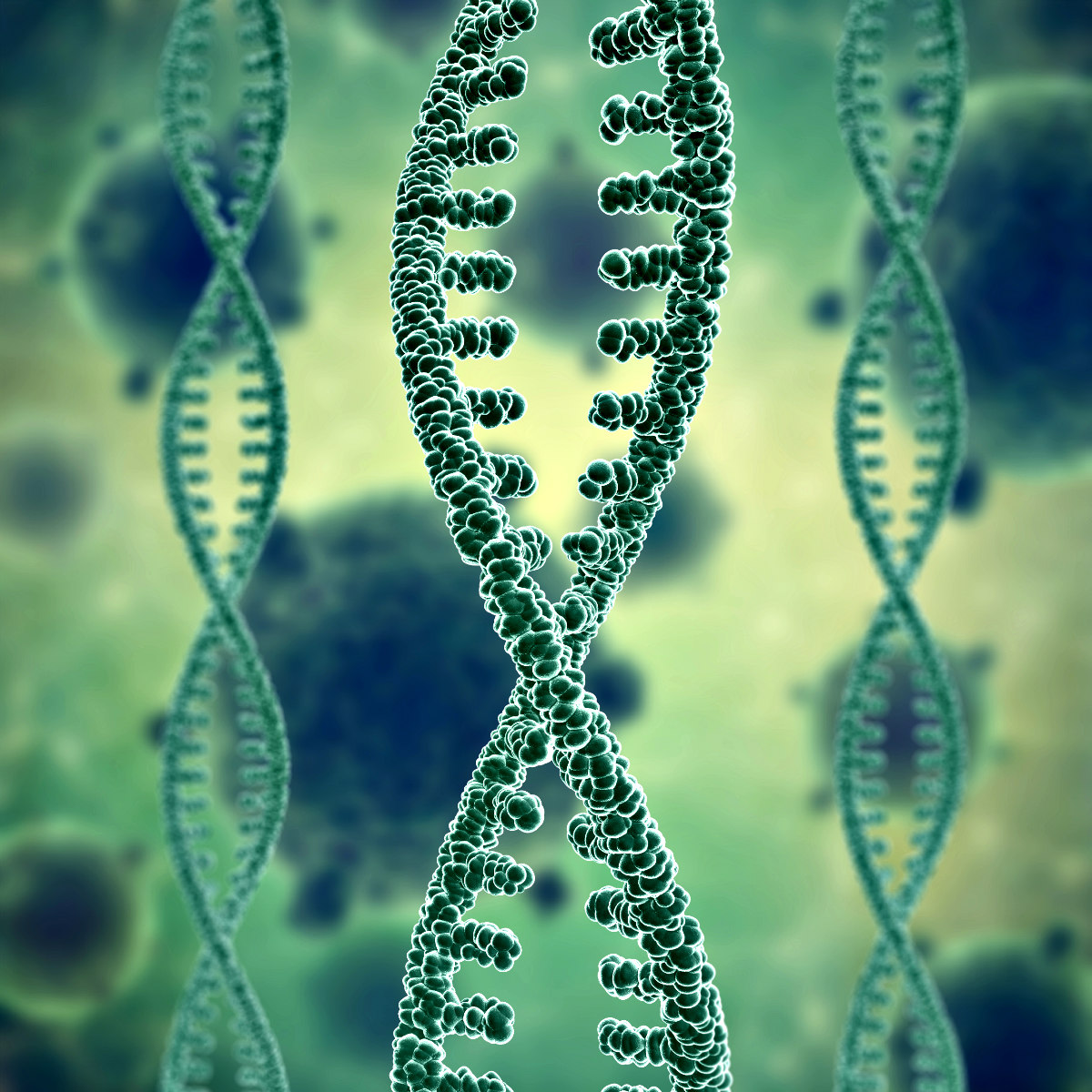
Have you ever wondered why people respond differently to stress, trauma, or life changes—even when they share similar genes? The answer may lie in a fascinating field called epigenetics. Epigenetics is the study of how your environment and experiences can change the way your genes work, without changing the actual DNA you were born with (Allen & Guerrero-Bosagna, 2025; DeSocio, 2018; Demiralay, 2022; Massoni, 2024).
What Is Epigenetics?
Think of your DNA as a set of instructions for building and running your body. Epigenetics acts like a set of switches or dimmers that can turn certain genes on or off or adjust how strongly they work. These switches are influenced by things like stress, diet, relationships, trauma, and even where you live (Demiralay, 2022; Freerange, n.d.; Tranceform Psychology, n.d.).
How Does This Affect Mental Health?
Mental health conditions—such as depression, anxiety, bipolar disorder, and schizophrenia—are shaped by both your genes and your life experiences. Epigenetic changes can help explain why some people develop mental health challenges after stressful events, while others remain resilient (DeSocio, 2018; Massoni, 2024; Allen & Guerrero-Bosagna, 2025).
• Stress and Trauma: Significant stress or trauma, especially early in life, can cause epigenetic changes that affect how your brain and body respond to future stress. This can increase your risk for depression or anxiety, but it doesn’t mean you’re destined to have these conditions (DeSocio, 2018; Massoni, 2024).
• Nutrition and Lifestyle: What you eat, how active you are, and your sleep habits can all influence epigenetic marks. Healthy choices may help protect your mental health by supporting positive gene activity (Demiralay, 2022).
• Social Environment: Living in poverty, facing discrimination, or lacking social support can trigger epigenetic changes that make mental health challenges more likely. On the other hand, supportive relationships and safe environments can help buffer these effects (Tranceform Psychology, n.d.; Freerange, n.d.).
Can Epigenetic Changes Be Reversed?
One of the most hopeful findings in epigenetics is that these changes are often not permanent. Research shows that therapy, healthy lifestyle changes, and supportive environments can help “reset” some of these switches, improving mental health and resilience. (Massoni, 2024; Allen & Guerrero-Bosagna, 2025).
Practical Tips for Supporting Your Mental Health
• Manage Stress Effectively: Practice mindfulness, meditation, deep breathing, or yoga to help “reset” stress-related epigenetic marks (DeSocio, 2018; Massoni, 2024).
• Build Supportive Relationships: Social support can promote positive epigenetic changes (Tranceform Psychology, n.d.).
• Prioritize Healthy Nutrition: Nutrients like folate and B vitamins are important for maintaining healthy DNA methylation (Demiralay, 2022).
• Stay Physically Active: Regular exercise may help promote beneficial epigenetic changes in the brain (Massoni, 2024).
• Get Enough Sleep: Poor sleep can disrupt epigenetic regulation and increase risk for mental health challenges (Demiralay, 2022).
• Limit Exposure to Toxins: Avoid smoking, excessive alcohol, and exposure to environmental toxins (Demiralay, 2022).
• Seek Professional Help When Needed: Therapy and counseling may help reverse negative epigenetic changes (Massoni, 2024; Allen & Guerrero-Bosagna, 2025).
• Practice Self-Compassion: Positive changes—no matter how small—can make a real difference in your mental health (Freerange, n.d.).
Why Does This Matter for You?
Understanding epigenetics empowers you to take steps that support your mental health, even if you have a family history of mental illness. It means that your experiences matter—and that positive changes can make a real difference.
Works Cited
Allen, M., & Guerrero-Bosagna, C. (2025). Epigenetic changes and their potential reversibility in mental health disorders. Essays in Biochemistry, 68(2), 123–135.
DeSocio, J. E. (2018). Epigenetics, maternal prenatal psychosocial stress, and infant mental health. Journal of Child and Adolescent Psychiatric Nursing, 31(4), 181–189.
Demiralay, B. (2022). Epigenetics and Mental Health: The Environmental Influence on Gene Expression. ResearchGate.
Freerange. (n.d.). Mental Illness Is Not in Your Genes: The Truth About Epigenetics and Mental Health.
Massoni, L. (2024). Epigenetic and Mental Diseases: The Role of Psychotherapy. MDPI.
Tranceform Psychology. (n.d.). Epigenetics & Mental Health.
ABOUT THE AUTHOR

Rachel Kohlman
EAP Administrator
LATEST ARTICLES BY Rachel Kohlman
Subscribe today
Sign up to receive the latest mental health tips and inspiration